
The Technological Tsunami
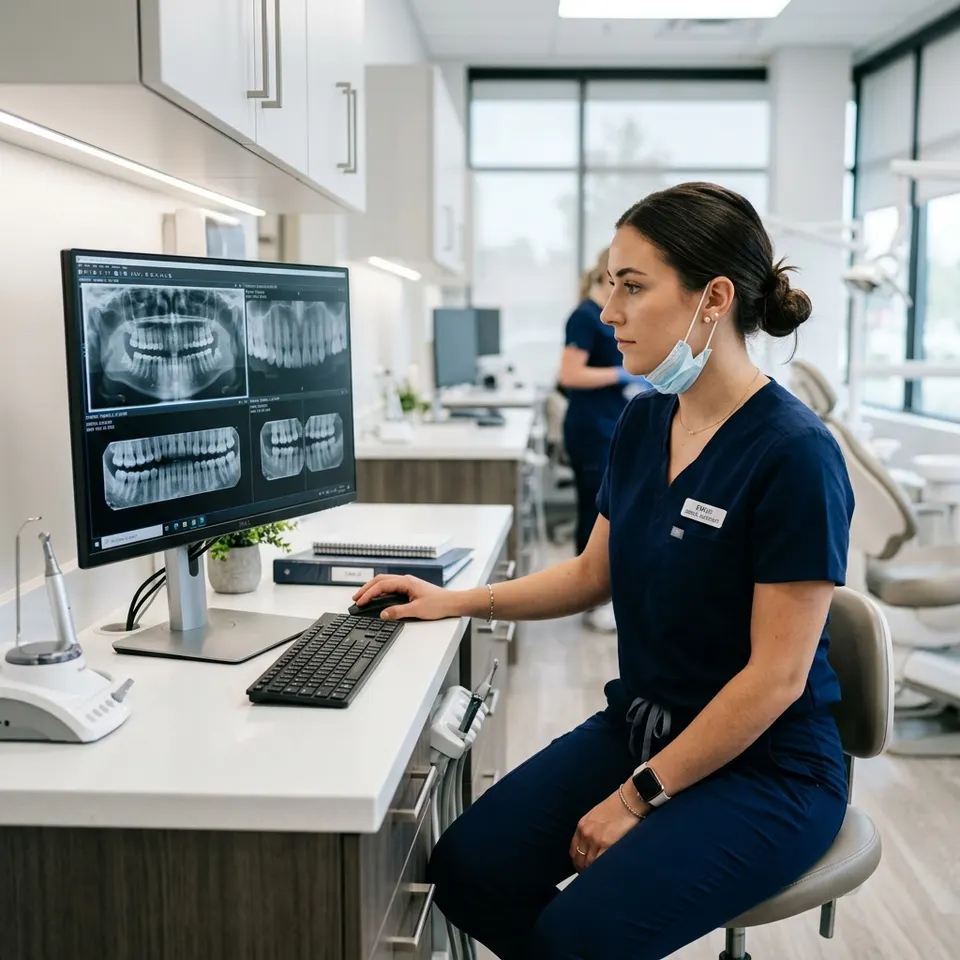
Dentistry is undergoing a technological renaissance. From AI-assisted radiograph analysis to in-house 3D printing of aligners and surgical guides, the tools available to clinicians are evolving at a breakneck pace.
The Bottleneck of Implementation
Before introducing a new tool, plan who will use it, what training is needed, and how it fits the office's procedures. Ask staff about the systems they know and the support they need to learn a new workflow.
Empowering the Team
For technology to be profitable, it must be embraced by the team. The most successful practices delegate technological tasks. Discuss which tasks fall within each person's role and which require training or supervision. The office should confirm the appropriate duties before assigning work with a new system.
When the team feels ownership over these advanced tools, they become more engaged and motivated. It elevates their daily routine from repetitive tasks to high-level clinical facilitation.
Hiring for Adaptability
As the industry evolves, the most valuable trait in a new hire is no longer just clinical experience—it is technological adaptability. During interviews, practice owners should gauge a candidate's comfort with computers, software, and their willingness to learn new systems.
The future of dentistry isn't just about better drills; it's about smarter teams.